 KitCut
Seedance, Sora and Veo make clips. An explainer needs code.
Video models got good fast. Seedance, Sora, Veo and Kling turn a sentence into seconds of motion that would have taken a studio a week. Ask one for an explainer, though, and the trouble starts at the first number. We make explainers every day: 118 episodes in nine series in under four weeks, on channels about padel, money, the news and the stock market, and for a software company's help center. None of them comes from a video model. Claude writes each film as code, and KitCut renders it. Here is why, with frames from those films, and where a video model is still the better tool.
A clip is a picture of something. An explainer is a claim.
A video model predicts pixels that look like the prompt. For a mood, a shot of rain on a window or a product turning on a table, that is exactly right. An explainer is a different object: a chain of claims, each of which is true or false, each shown with something that proves it. The viewer came to find out what happened, how much, where and why. A frame that looks plausible and isn't true does more harm than a frame that isn't there.
So an explainer needs things a generated clip can't promise.
1. The numbers are the numbers
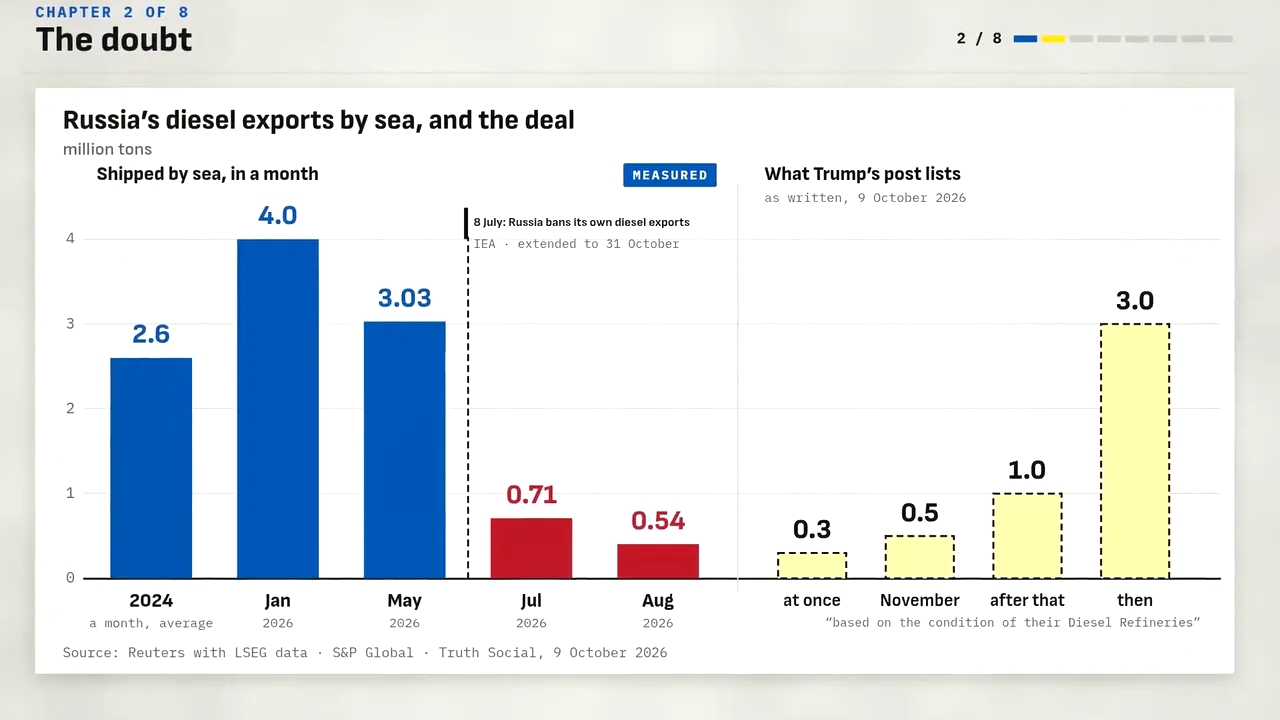
A model can paint a chart. It can't promise the bar says 0.54. In a film written as code, every bar is drawn from the figure in the episode's fact sheet, labelled with its value, marked measured or estimated, with its sources named underneath.
2. Places are where they are
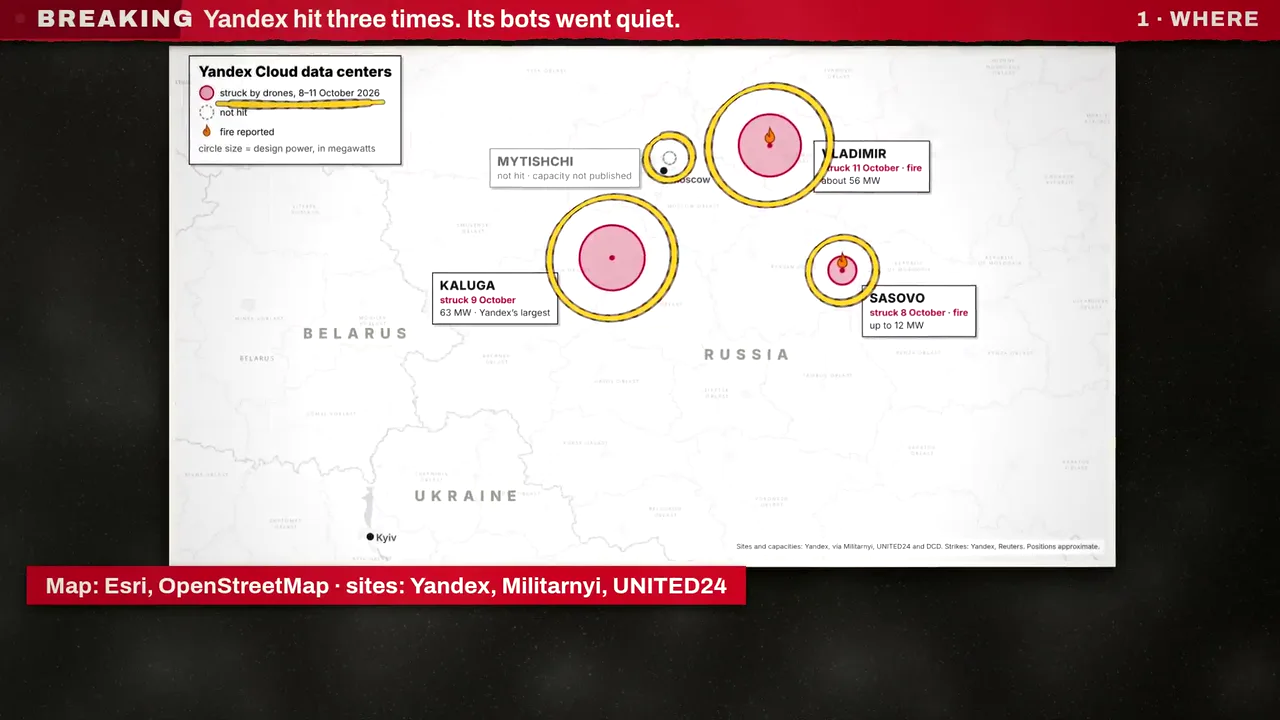
Ask for "a map of the three data centres that were hit" and a model draws a map. Its borders, cities and roads are whatever looks right. KitCut's films put a place on real map data from OpenStreetMap, with the credit on screen, and draw a made-up plan only when the map is an idea, not a place.
3. The source itself, on screen
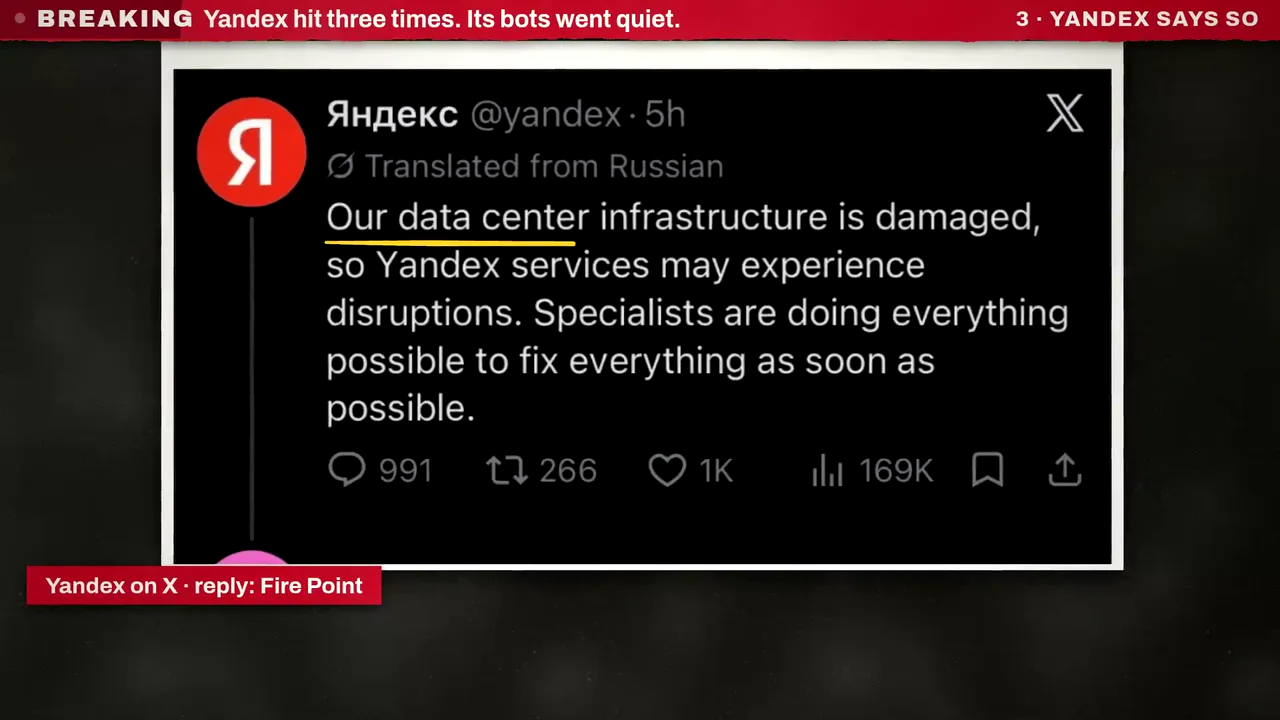
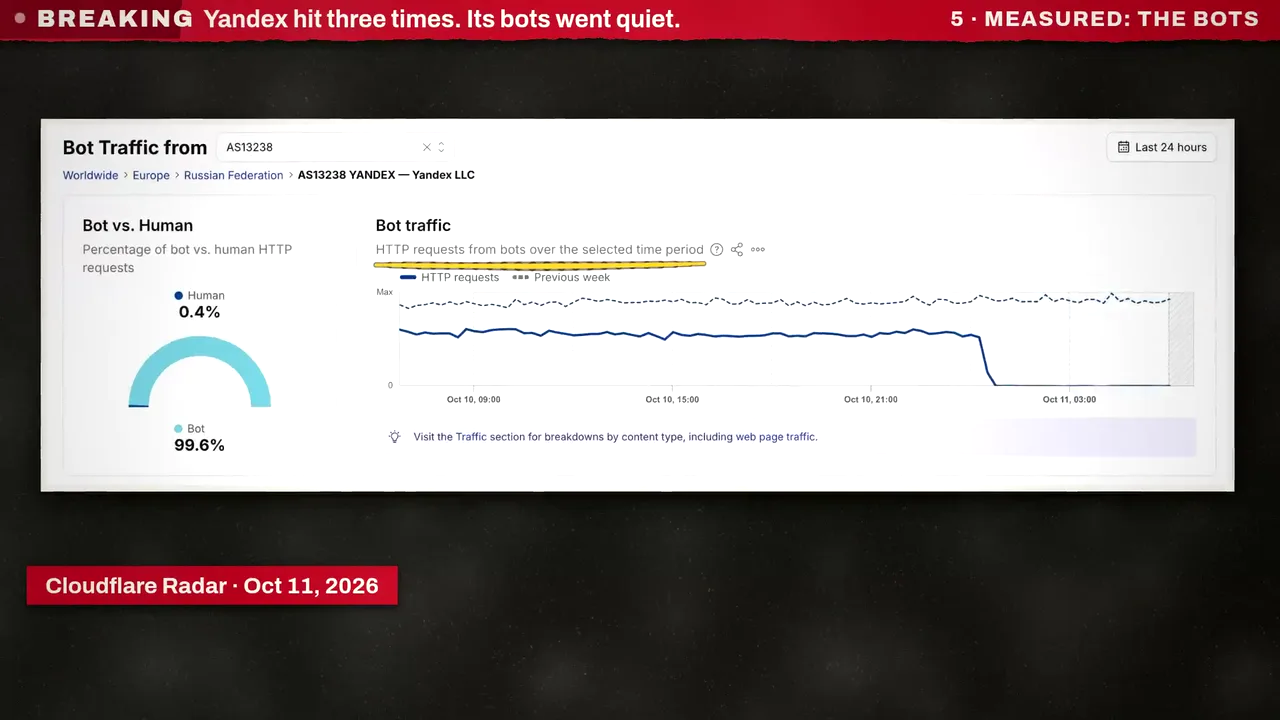
The strongest thing an explainer can show is the evidence: the company's own post, the dashboard that measured the drop, the agency's own headline. A video model can only imitate them. Claude can open a web page in a real browser, read it and show it as it is, with its name and date in the corner.
4. Words spelt as written, in any alphabet
Text in generated video is better than it was, and it still slips: a letter melts, a word is almost the word. In a film written as code, every word on screen is typed and set in a font, so a title, a label or a price is exactly what was written. It holds in Ukrainian as well as in English.
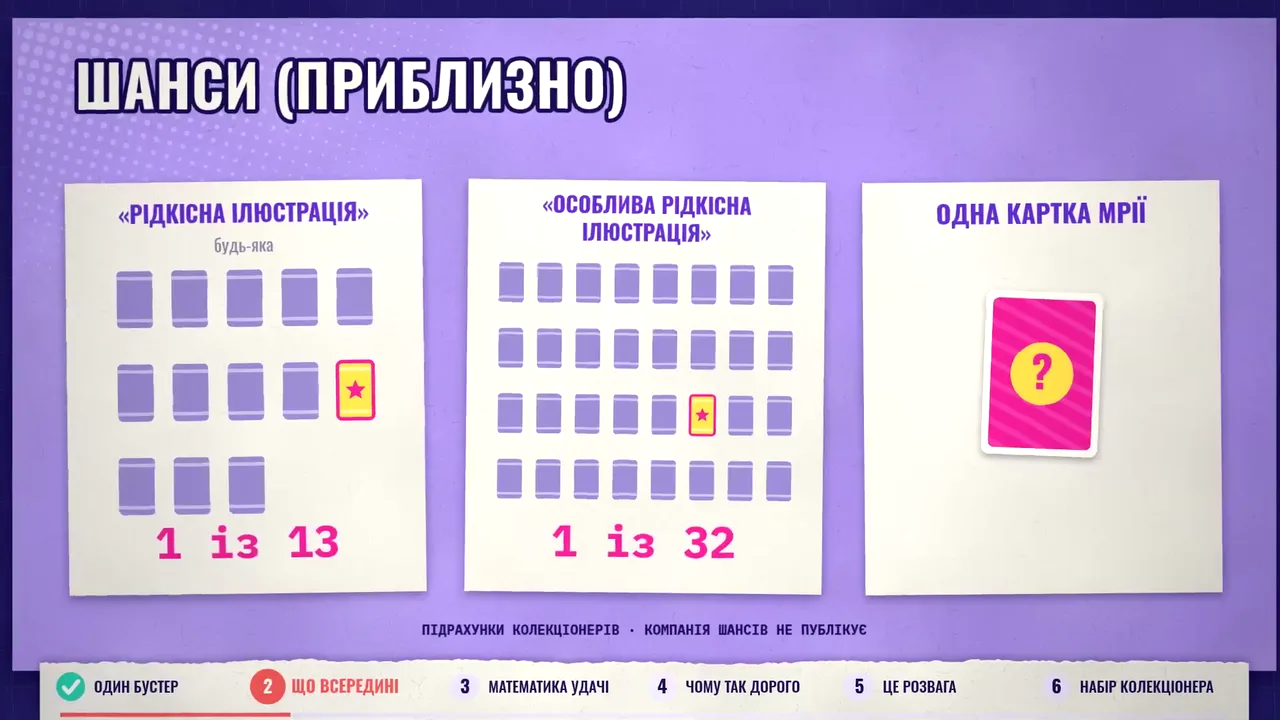
5. Saying less when the sources disagree
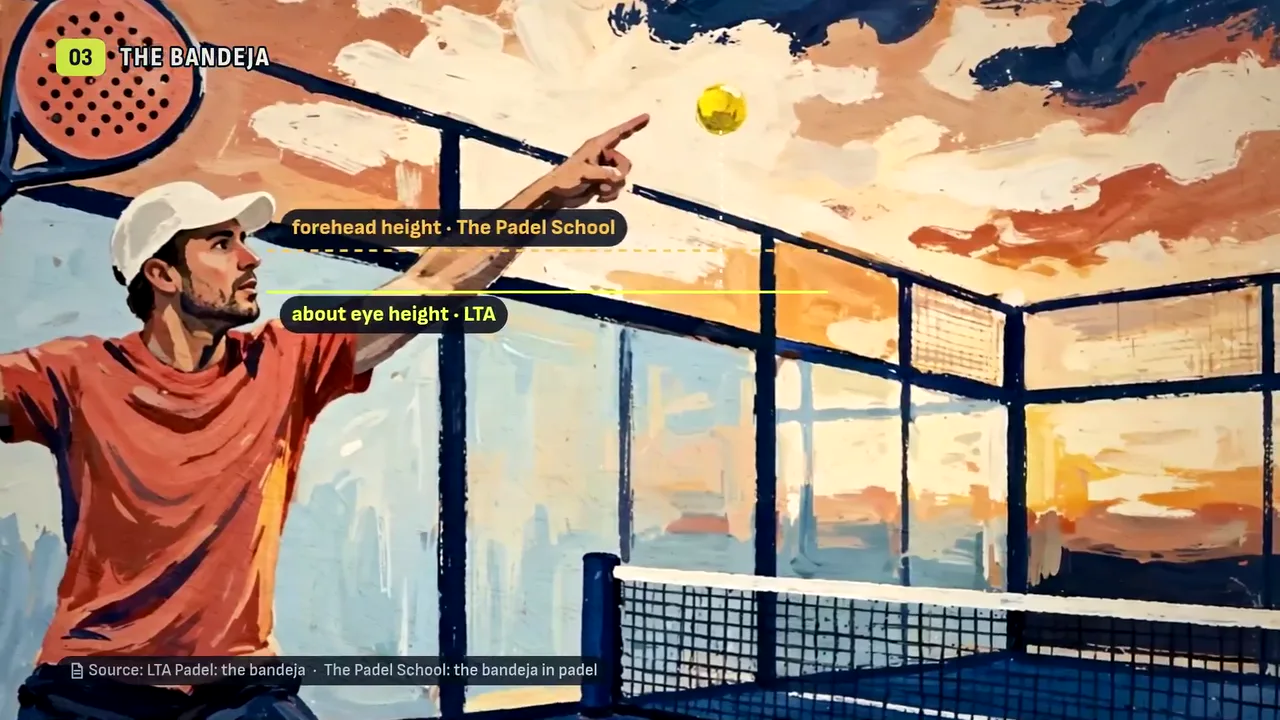
A model fills every gap with something plausible. A good explainer says "usually" when the source says "usually", and shows both answers when two sources give different ones. That only works when the film is written from a fact sheet that knows the difference.
6. The same series next week
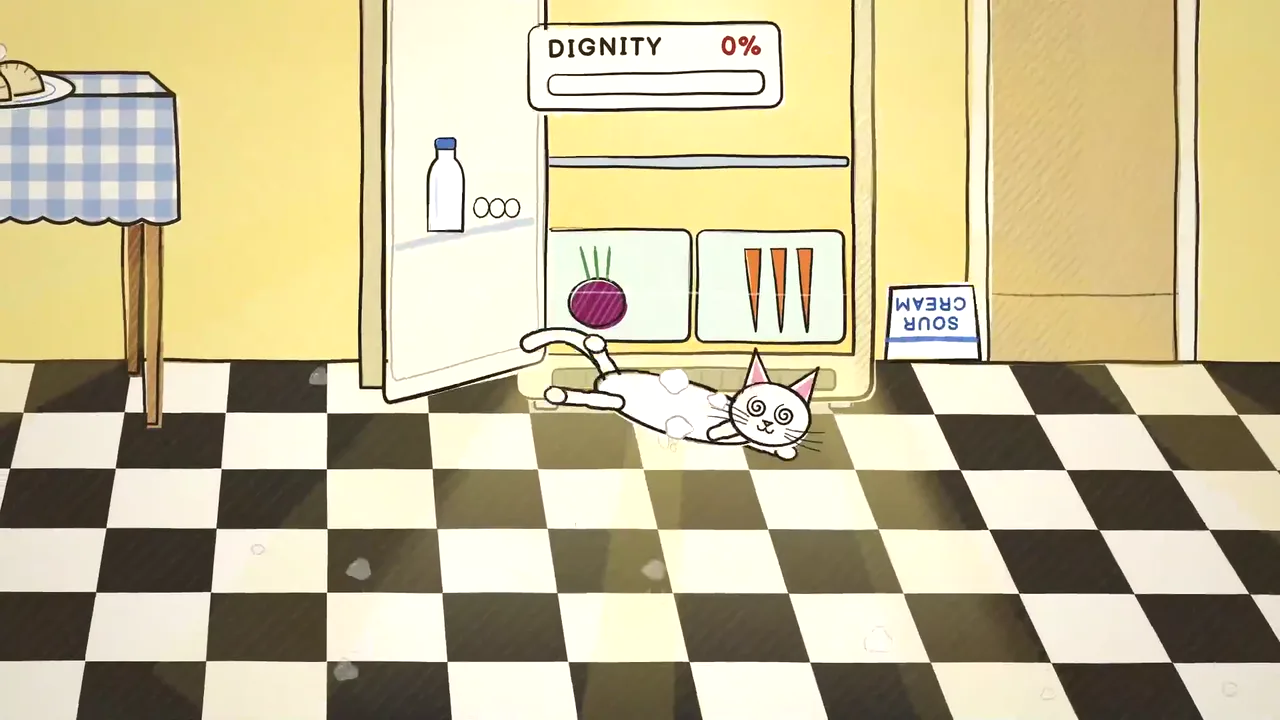
An explainer is rarely a one-off. A channel needs episode 12, a help center the next article's film. A generated character drifts between clips; a series' look drifts between prompts. In KitCut a character is a drawing kept as code, the series' look is code the next episode reuses, and a line like "Her dignity is gone." is recorded once and played the same way in every episode.
7. Minutes in one piece, timed to the word
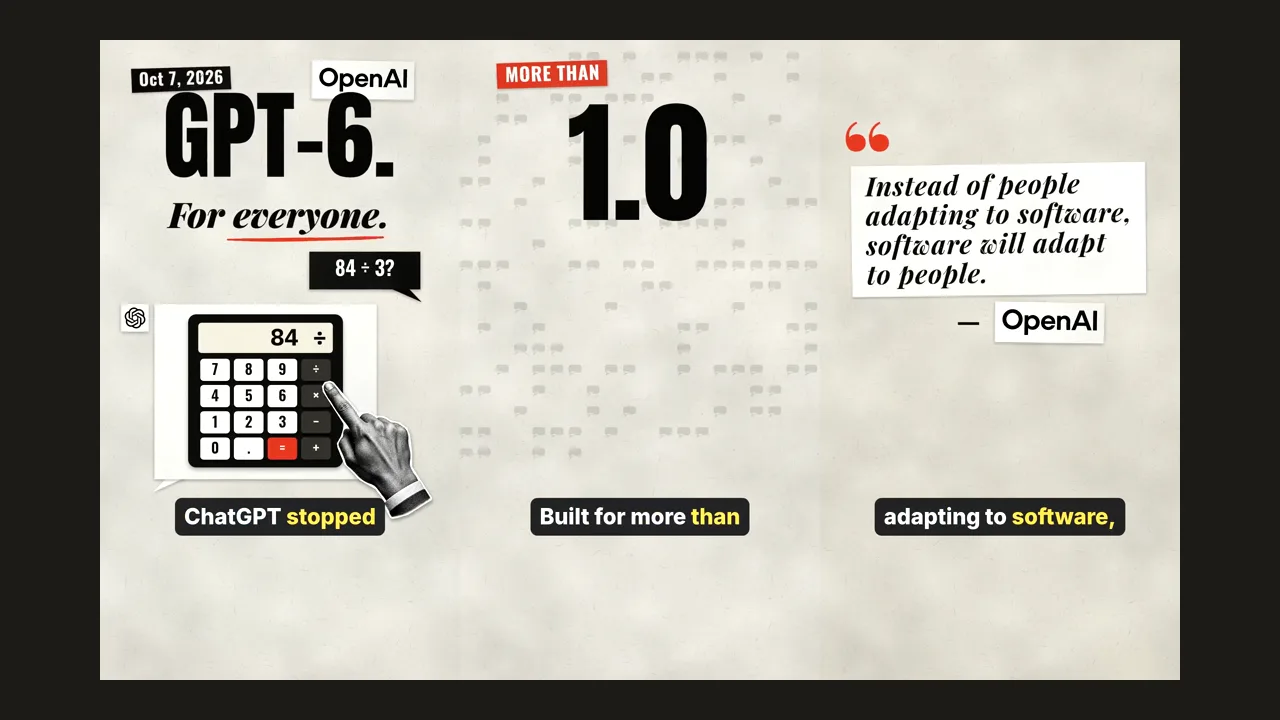
A generated clip is seconds long; a longer piece is clips joined by hand, each with its own idea of the scene. An explainer is a whole: 8 minutes on padel overheads, 18 on one company's filings. Written as one program, every change on screen can land on the word the narrator is saying, from the first second to the last. The same film can then be cut into tall Shorts that keep its sources.
Where a video model is the right tool
Everything above is about explainers. For other work the trade runs the other way, and it is worth saying plainly:
- Photoreal footage. A real-looking street, a product on a kitchen counter, a crowd. KitCut's films are hand-drawn, painted or collage; they never look like camera footage.
- Real-looking people moving. KitCut draws people as characters, never as photorealistic humans.
- A mood in a few seconds. For an atmosphere, a transition or a dream sequence, a clip is faster and better.
If the film's job is to make someone feel something in eight seconds, use a video model. If its job is to make them understand something, with numbers they can trust and sources they can check, write it.