 KitCut
Nine series, 118 episodes: what makes an explainer series work
Since 26 September we have made 118 episodes in nine series with KitCut: padel tactics, AI and tech news, war-economy research, a children's economics school in Ukrainian, a finance channel that reads company filings, two family cartoons, and, for a software company, a film for every help article and a funny series about hard government forms. A one-off film is a prompt. A series is a set of rules that every episode keeps, written once in the project's brief. Seven rules ended up in nearly every brief. Here they are, in the briefs' own words.
The case studies have each series in full: its brief, its films and its numbers.
1. Write the series once
Every series starts as a project with a brief that every episode reads: who it is for, the look, the narrator, how an episode opens and closes, what it never does. After that, a new episode's idea is short. For the padel channel it is a topic, a fact sheet and an outline; for the help center it is an article's title, its address and its screenshots in order.
The padel brief opens with a list headed "What every film keeps": the painted look, a court drawn to scale at 20 m by 10 m, every rule from the federation's rulebook, one calm narrator, padel words said the way players say them. None of that is in any episode's idea, and every episode has it.
2. Keep exact what must not drift
Some things in a series have to be identical every time, and they are kept, not described again:
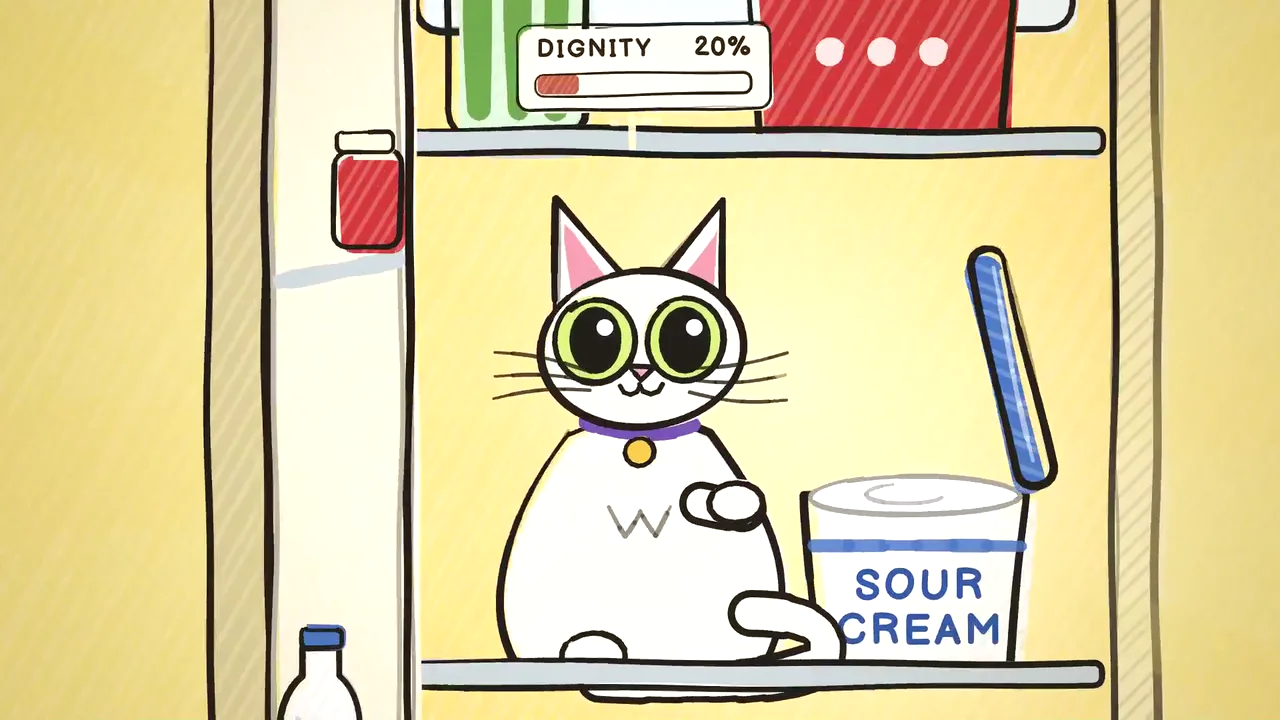
- Lines recorded once. "This is Duchess. Elegant, composed, deeply dignified." "Her dignity is gone." "She meant to do that." Each is kept as a voice line in the project, so every episode plays the same take. The economics school does the same with its opening and closing.
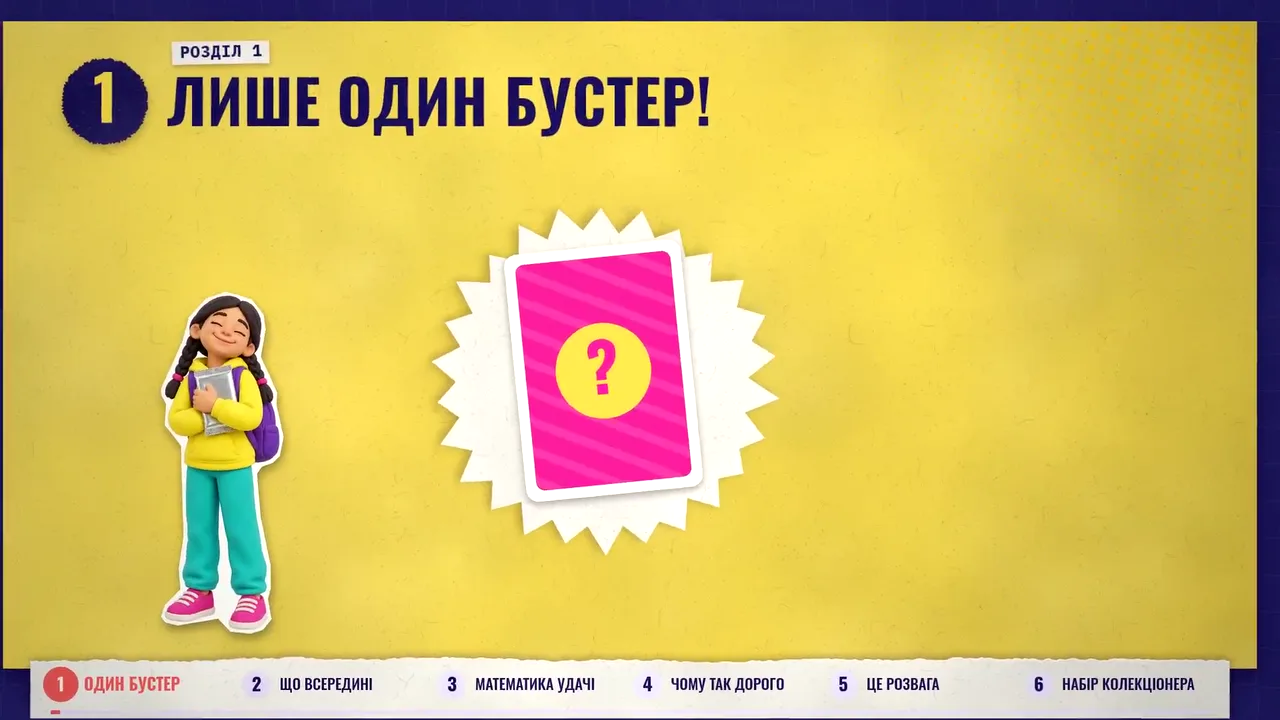
- Characters kept as drawings. Leo's project holds 13 pieces of cast, from Leo himself to the backyard bat he never catches. The school's heroine, Оленка, is in nine of its episodes, drawn the same way each time.
- The look kept as code. The padel channel's second episode was told to copy the first episode's drawing code "whole and unchanged", so the court, the players and the labels can't drift. The school's brief tells each episode to "read the newest one's vo.json and film.js and carry its identity over".
3. Facts arrive as a fact sheet, with what's wrong and what's unknown
Every explainer series we made stopped inventing facts the same way: the facts come with the episode, and the brief says the film may use nothing else. The news desk's fact sheets have a "commonly misreported" section and mark what is unconfirmed, and the brief is blunt about it: "When the sheet marks something as unconfirmed, leave it out." The padel brief goes one step further: "Nothing invented: where sources disagree or give no number, the film says less."
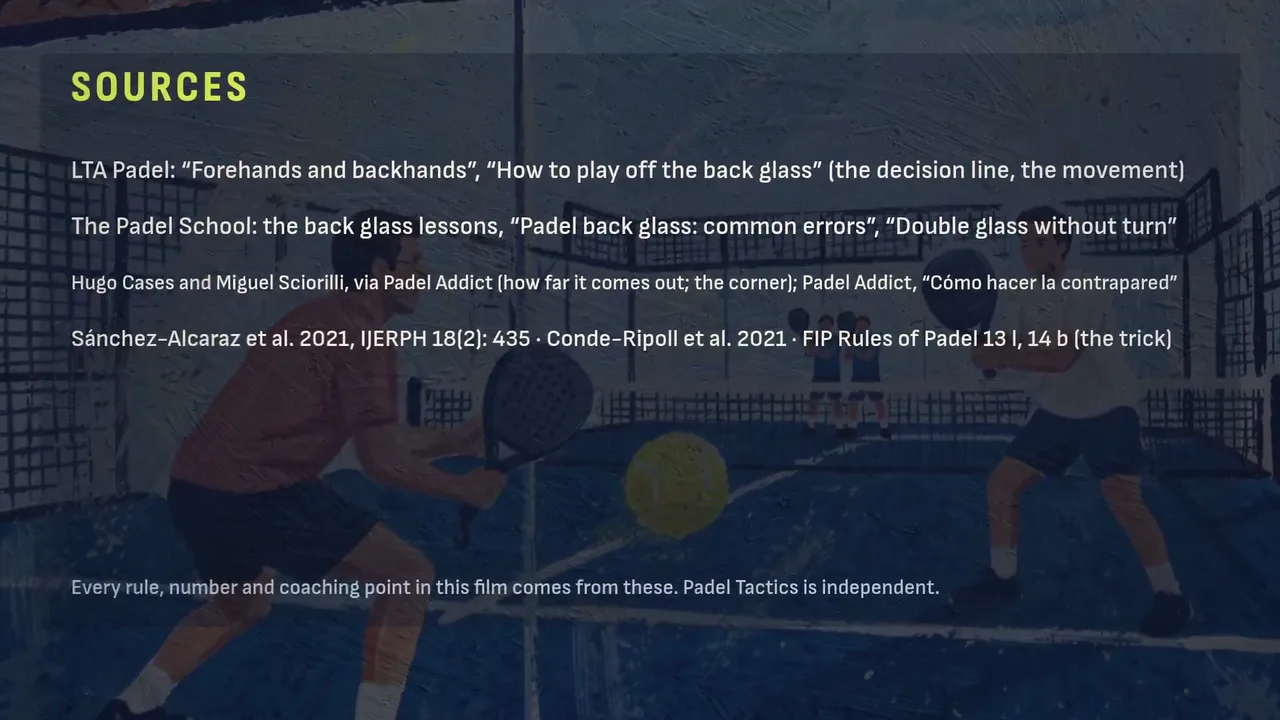
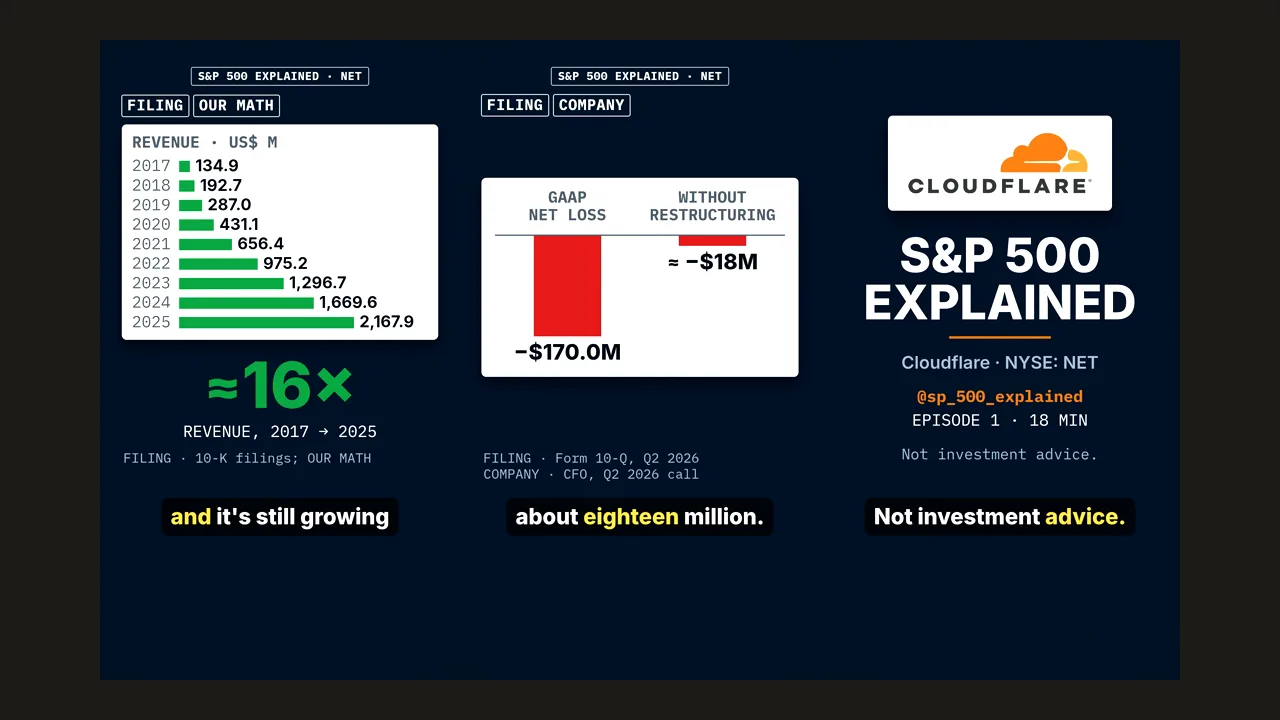
The proof then goes on screen. The finance channel tags every fact card FILING, COMPANY, DATA or OUR MATH. Form Desk puts a tiny source tag in the corner while each rule is said. The padel films end on a card of their sources.
4. Write the "never" list
The most useful lines in a brief are the ones that say what may not happen, because a model's mistakes are the plausible ones:
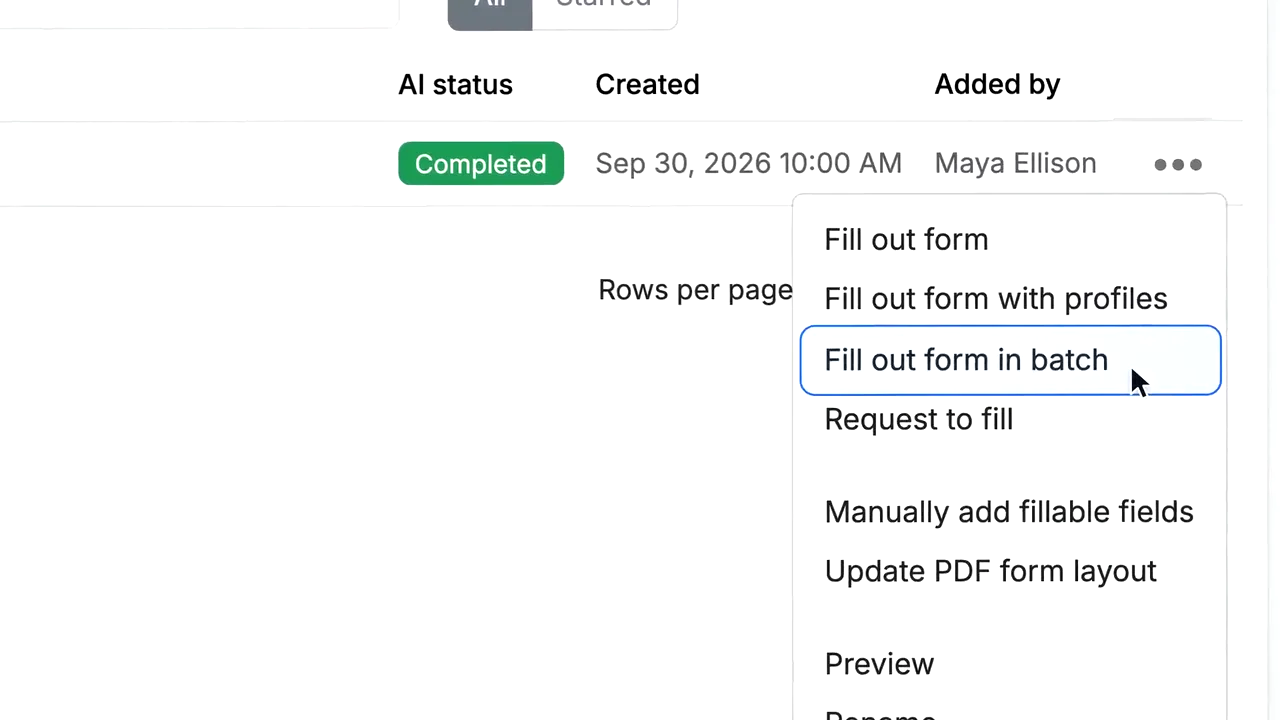
- "The film must look like the real Instafill app. Never invent an interface." (A film for every help article.)
- "It never says buy or sell and never gives a price target." (The finance channel.)
- "Never 'BREAKING' on news older than two days." (The news desk.)
- "Never a formula card." Show coins, notes and a calendar instead. (The economics school.)
- "The butt of the joke is the form and the paperwork, sometimes all of us. Never the viewer, never a worker, never the agency's people." (Form Desk.)
5. Every note becomes a rule
The briefs got better by keeping the notes. After episode 10 of Leo, the notes on what had looked wrong went into the brief as rules for every episode after it: "Picture and words agree. Everything the narration names is on screen when it is named." "The camera does not jump." "Nobody blinks out." Duchess got hers after episodes 8 to 10: "One cat, one place: when she moves between hiding places, the old one is empty before the new one shows her." The economics school's brief now ends with eleven checks the script must pass before anything is drawn: the kind of note that, once written into the brief, never has to be made again.
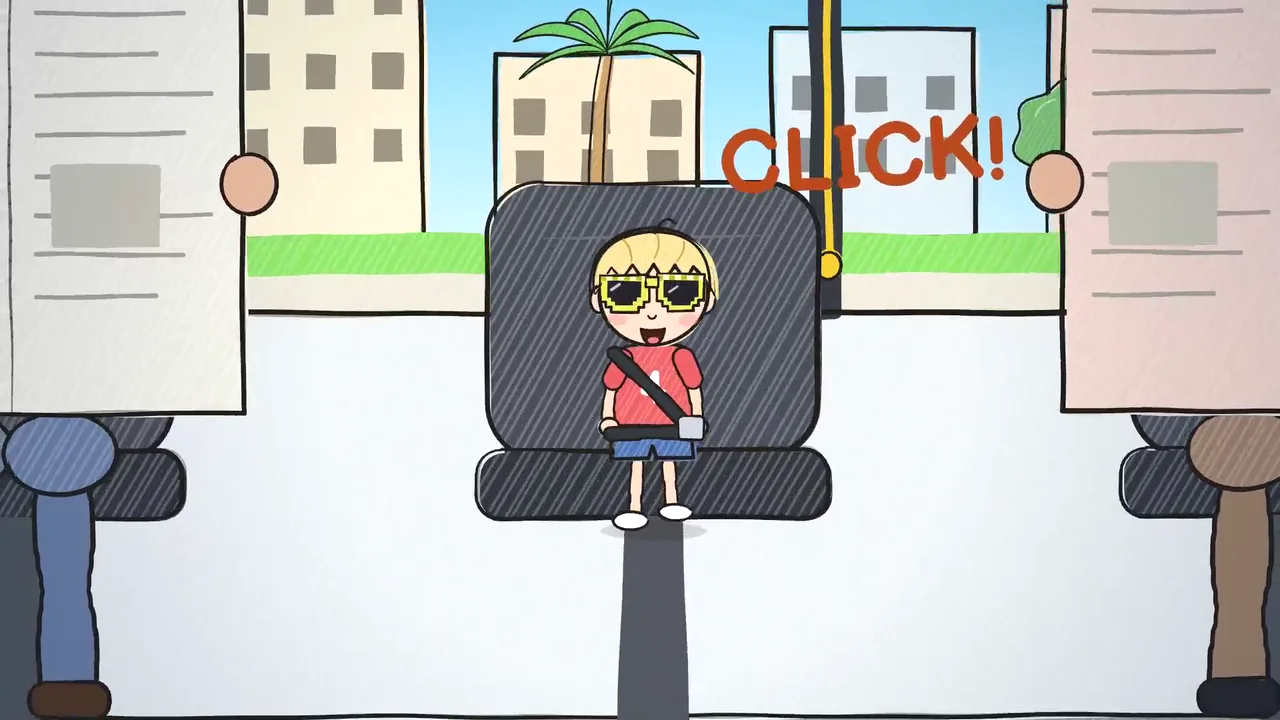
6. Make one long episode, publish a week
Research is the slow part of an explainer, so do it once and use it many times. Each long padel episode is cut into two to five Shorts, each one idea in under a minute, and they go out one a day at the same hour. The finance channel's first episode runs 18 minutes, read word for word from a script; five Shorts were cut from it and are scheduled one a day after it.
7. Let the assistant be the producer
What is left once the brief exists is a producer's work: pick the next topic, research it, write its fact sheet and its idea, put it on the calendar. That is exactly the work an AI assistant connected to KitCut does well. Claude, ChatGPT, Grok, Meta AI or Claude Code can read your channel's numbers, look things up with real sources, send the idea to KitCut and schedule the film, and a scheduled task can do it every day. KitCut then does the studio's part: it makes the film, writes the title, description and thumbnails, and puts it on the channel's next free day, or publishes every new episode by itself, as the padel channel does.
A series is a brief and a topic
None of these rules is about how to animate. They are about deciding things once: who the series is for, what it always does, what it never does, where its facts come from. Once that is written, the 118th episode takes a topic.