 KitCut
A children's economics school, in Ukrainian
- Audience
- Children aged 8 to 14
- Language
- Ukrainian, from English prompts
- Episodes
- 17 in three weeks
- Length
- 3 to 15 minutes
- Most watched
- 1,515 views
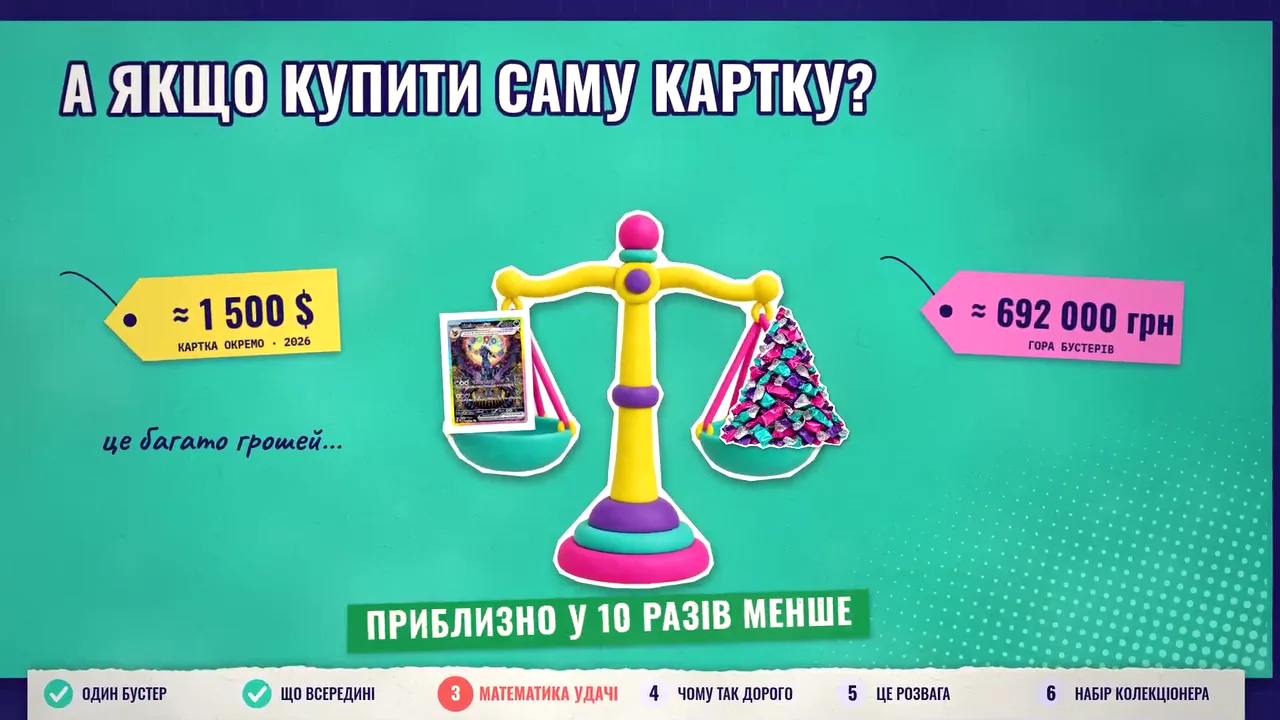
«Очеретинська школа економіки», the Ocheretyne Economics School, is a YouTube channel that explains the modern economy to Ukrainian children aged 8 to 14: how a blogger earns, why a doctor is paid more than a cashier, the journey of one parcel across Ukraine, whether a pile of Pokémon boosters beats buying the one card you want. Every episode is in Ukrainian, narration and every word on screen. The prompts behind them are in English.
Episode 2, «Як заробляє блогер?» (How does a blogger earn?), 4 minutes. 1,515 views on YouTube.
From one sentence to a series
The first episode came from a single request, typed in English:
Create a video for kids in Ukrainian about how freelancers make money. make it modern, vibrant, colourful, energetic but at the same time helpful and delivering actual values. research the topic well. the target audience is 8-14year old kids.
What worked in it went into the project's brief, and the brief grew with every episode. Seventeen episodes later it holds the whole school: the pop-art collage look, the narrator, the chapter strip, how an episode opens and closes, how a sum is shown, and a checklist the script must pass before anything is drawn.
The same school every time
A series is recognisable because some things never change. Here those things are kept, not re-made:
- The opening and closing lines are recorded once. «Привіт! Це Очеретинська школа економіки.» and «Це була Очеретинська школа економіки. До зустрічі!» are kept as voice lines in the project, so every episode plays the same approved recording.
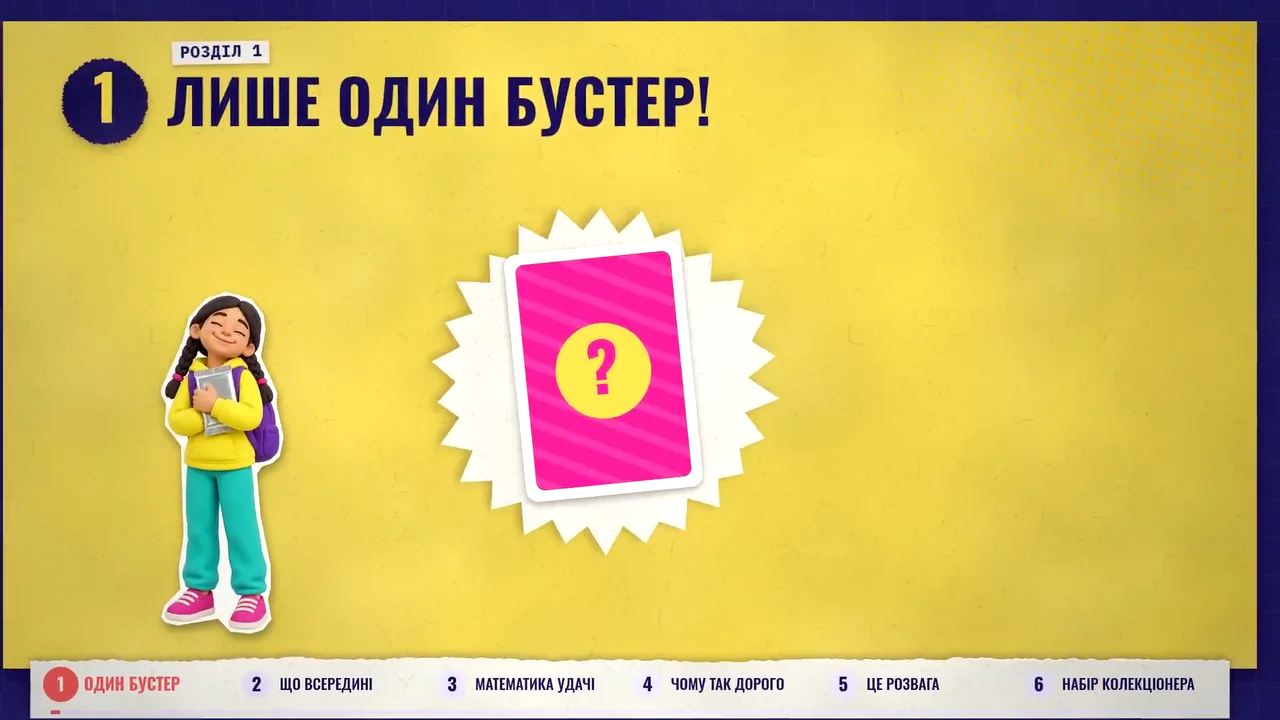
- One heroine. Оленка, about eleven, with two dark braids, a lemon-yellow hoodie and a purple backpack, is kept in the project's cast. She meets each question in her own life, and the episode answers it with her.
- Each episode continues the last. It reads the newest episode before it starts, carries its identity over, and opens with one line on what the last episode covered.
Show the money, not the formula
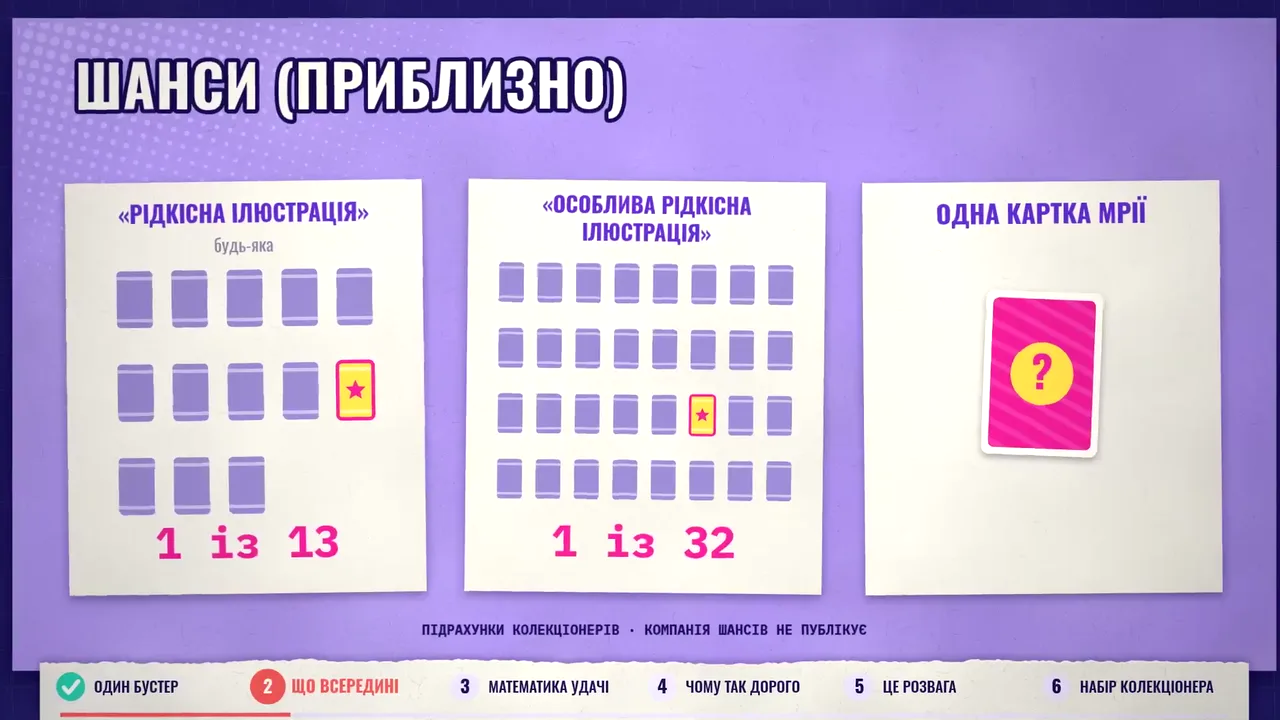
The brief bans formula cards. A sum is shown with things a child knows: coins, notes, a calendar, a ladder of rows, two results side by side. Big numbers are built up from small ones a child can check.
Real brands, real numbers
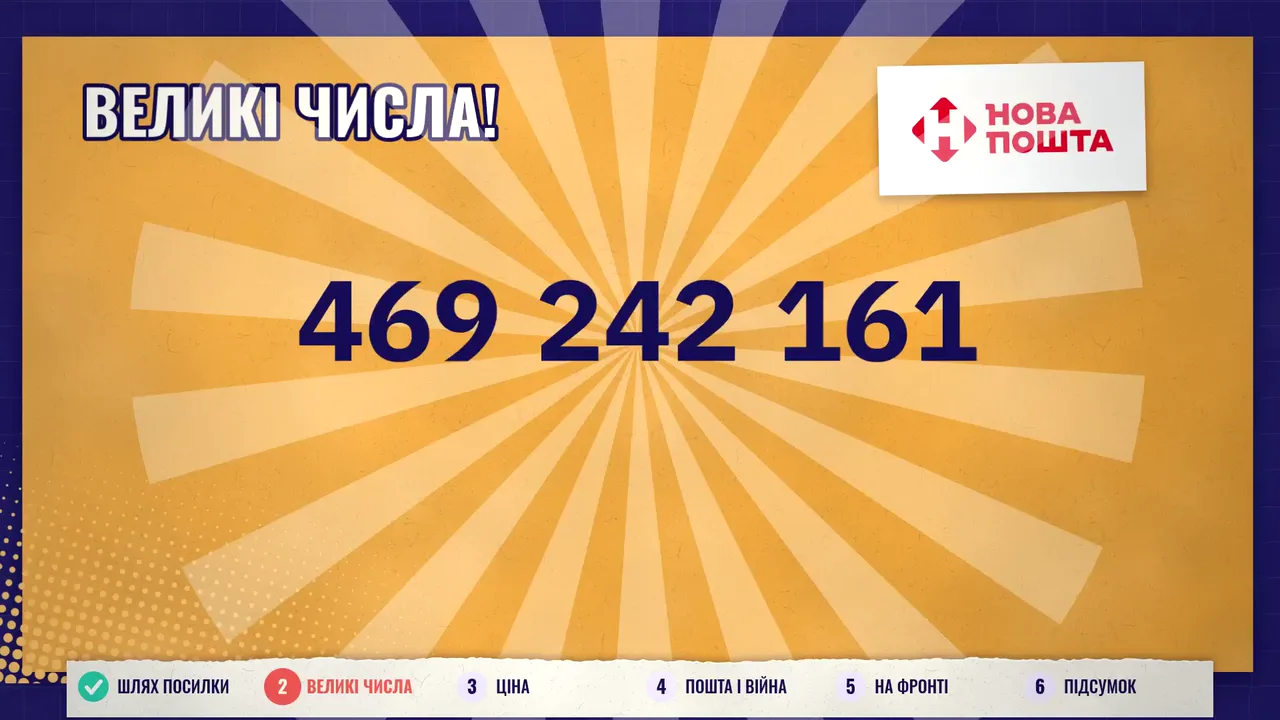
Children know the real names on their parcels and in their shops, and a stand-in tells them nobody checked. Each episode comes with a fact sheet and the real logos: Нова пошта, Укрпошта and Rozetka for the parcel episode, the National Bank of Ukraine for inflation, АТБ and Comfy for discounts. The logos are placed as they are, never redrawn.
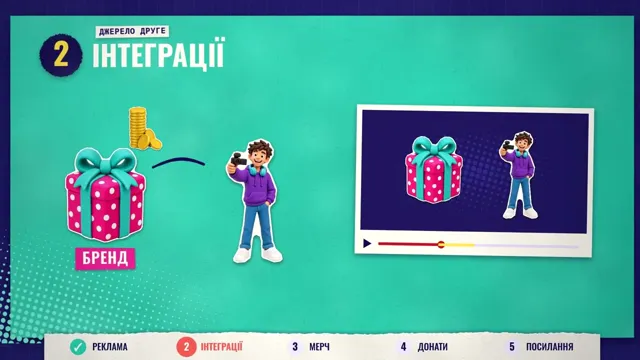 Як заробляє блогер? (How does a blogger earn?)Episode 2 · 4:01 · 1,515 views
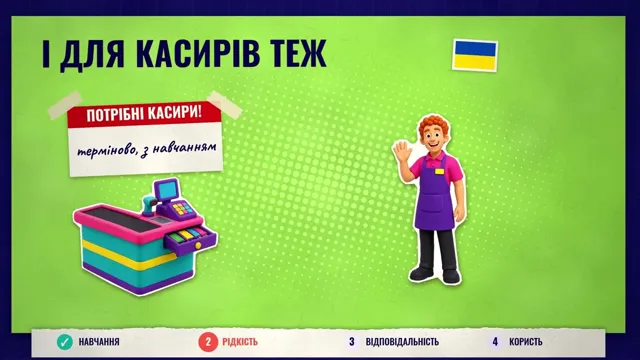 Чому лікар заробляє більше, ніж касир? (Why does a doctor earn more than a cashier?)Episode 3 · 4:01 · 733 views
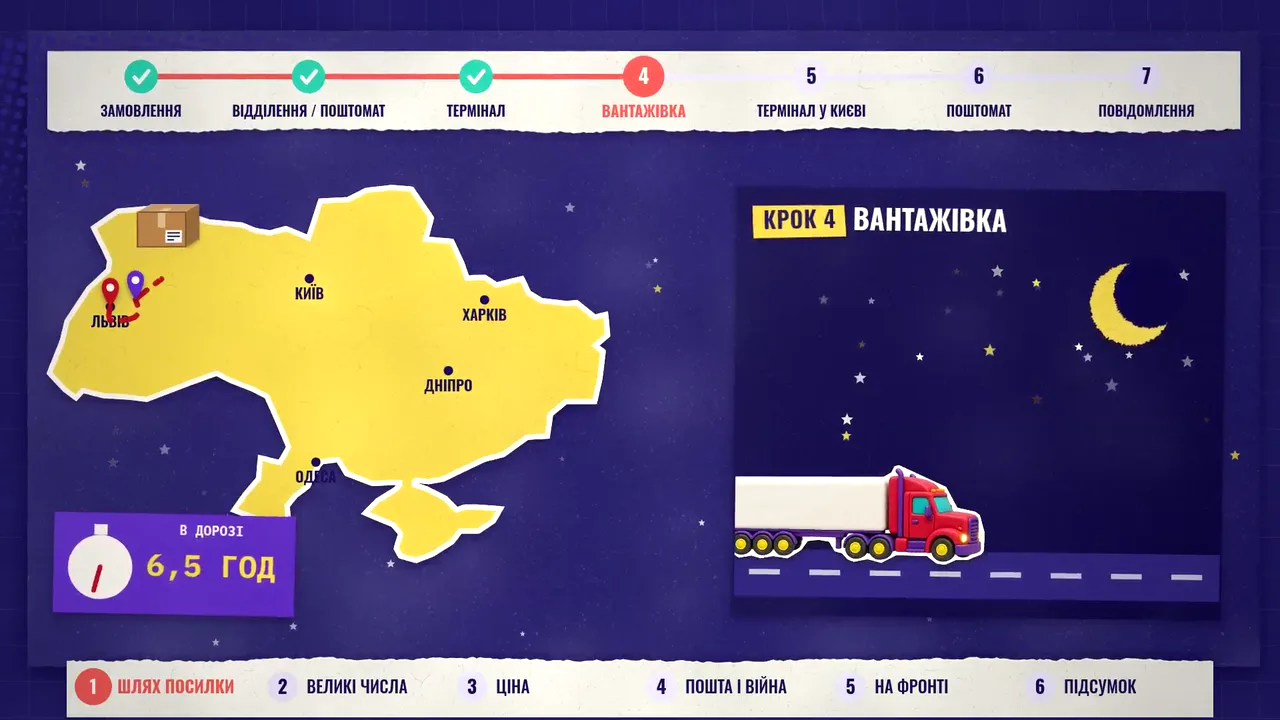
 Як працює доставка? (How does delivery work?)Episode 6 · 6:01 · 453 views
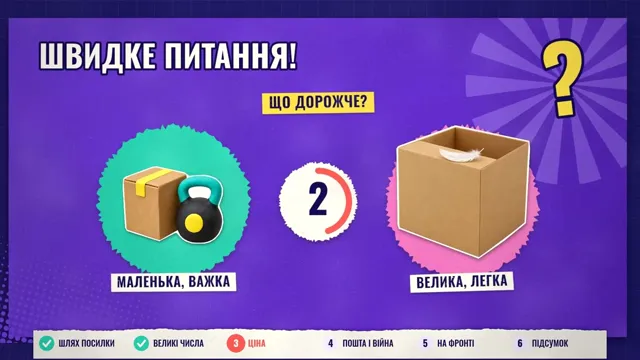
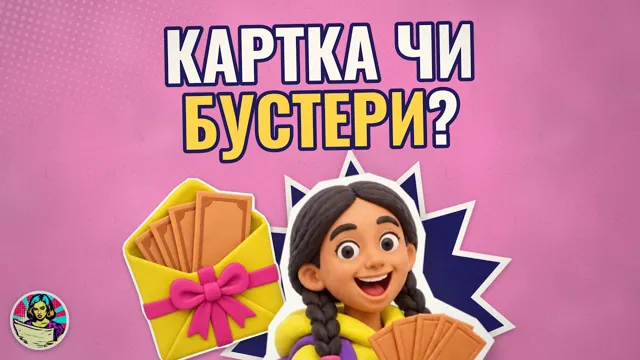 Одна картка Pokémon чи гора бустерів? (One Pokémon card or a pile of boosters?)Episode 10 · 6:01 · 438 views
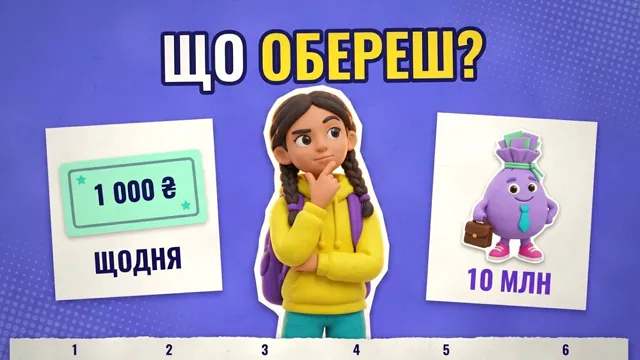 1000 гривень щодня чи 10 мільйонів одразу? (1,000 a day or 10 million at once?)Episode 12 · 7:01 · 186 views
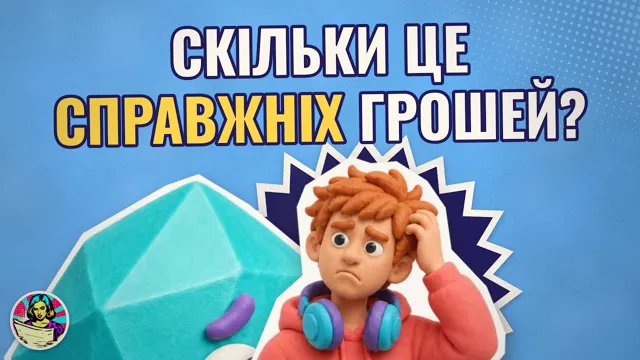 Скільки гривень в одному робуксі? (How many hryvnias in a Robux?)Episode 13 · 8:05
What made it work
- Write in the language you think in. The prompts are in English; the films are in Ukrainian, down to the words on screen. Other languages work the same way.
- Keep what makes it a series. Recorded lines, a kept heroine and each episode reading the last one make the seventeenth episode feel like the same school as the first.
- The brief learns. Every note on an episode ("one idea at a time", "never a formula card") became a rule for the next one.