 KitCut
From a 10-second film to two cartoon series
- Series
- Leo, and Duchess
- Episodes
- 15 and 10
- Length
- 1:45 to 5 minutes
- Kept cast
- 13 pieces for Leo, 8 for Duchess
- Look
- Hand-drawn, in crayon
Not every series is a business. Leo The Big Boy is a family channel with two crayon cartoons on it: Leo, about a four-year-old who is almost five, which is basically a grown-up, and Duchess, about a very dignified white cat who keeps losing her dignity. The channel's owner writes the stories; KitCut draws, narrates and scores them. Duchess started as a single 10-second film. Three weeks later there are 25 episodes across the two series.
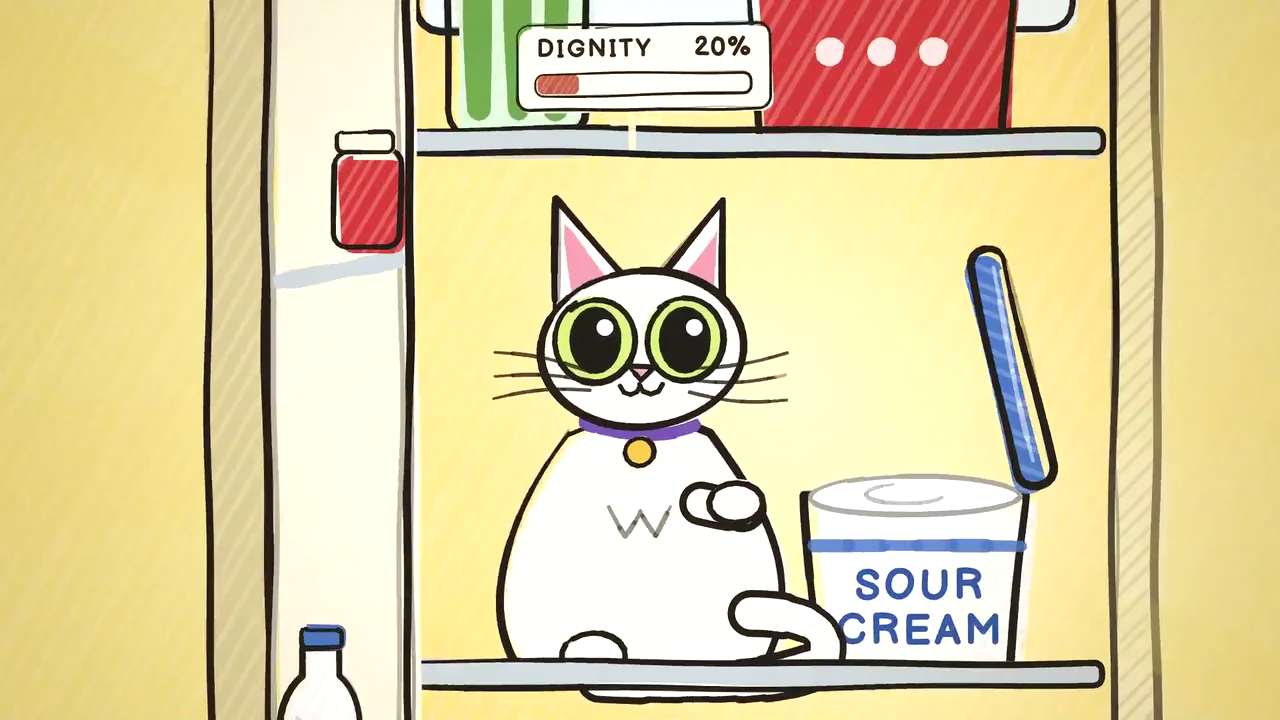
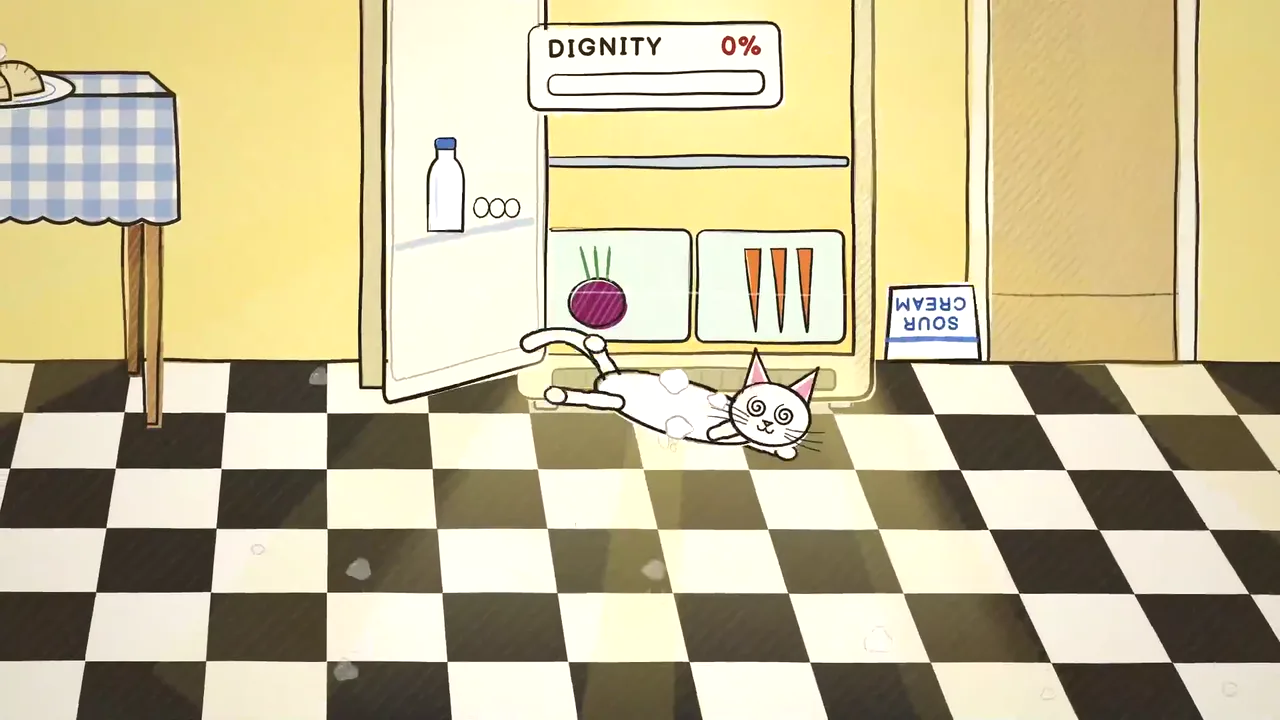
Duchess, episode 7: "The Sour Cream", 2 minutes.
It started with one sentence
On 26 September the whole idea was ten words long: "A cat tries to catch the red laser dot and loses all its dignity." KitCut made a 10-second film of it. The cat was funny, so she got a series: the same cat, the same living room, the same deadpan narrator, and a DIGNITY meter at the top of the screen that drains as she gives in.
What every episode keeps
A cartoon series lives on its running jokes, and those can't drift. Here they are kept, not redrawn or re-recorded:
- The lines that open and close the joke are recorded once. "This is Duchess. Elegant, composed, deeply dignified." "Her dignity is gone." "She meant to do that." Each is kept as a voice line in the project, so every episode plays the same take. Leo opens the same way every time too: "This is Leo. Leo is four. Which is almost five. Which is basically a grown-up."
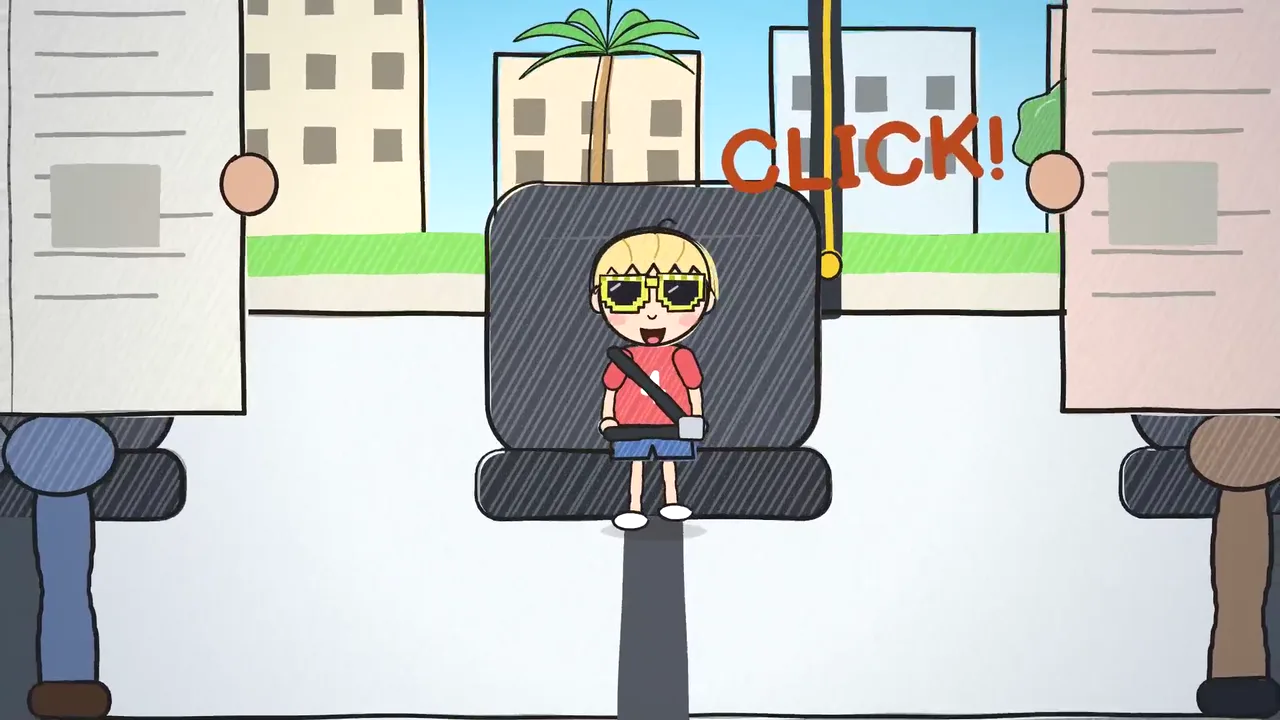
- The cast is kept as drawings. Leo's project holds 13 pieces: Leo himself, his big brother, his parents (seen only as legs and a hand, because the world is drawn at Leo's height), the backyard bat he never quite catches, his watering can, the family car, the house and the street. Duchess's holds 8, from the cat and her living room to the vet's carrier, the villain of episode 9. A new episode uses them as they are.
- The owner's notes become rules. After episode 10 of Leo, the notes on what looked wrong went into the brief: picture and words agree, the camera does not jump, nobody blinks out of a scene. Every episode since follows them.
Written like a bedtime story
Most episode ideas are the story and its narration, with a note that the picture is KitCut's to make. Some are a few plain sentences: Leo got an electric wiggle car for his birthday, it has lights and a funny face, and he drives it every evening. Both work, because the brief already knows who Leo is, how he looks, what he loves and how an episode ends.
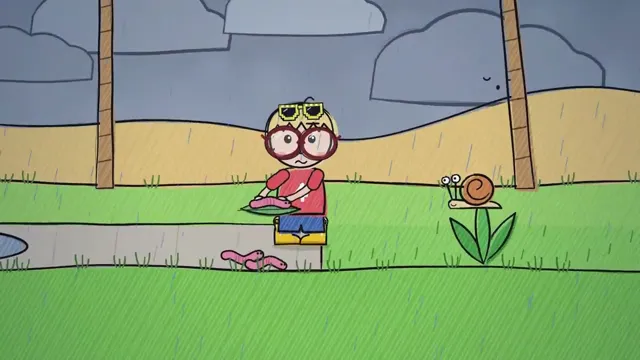 Rain! Leo The Big Boy, Episode 2Leo · 1:46
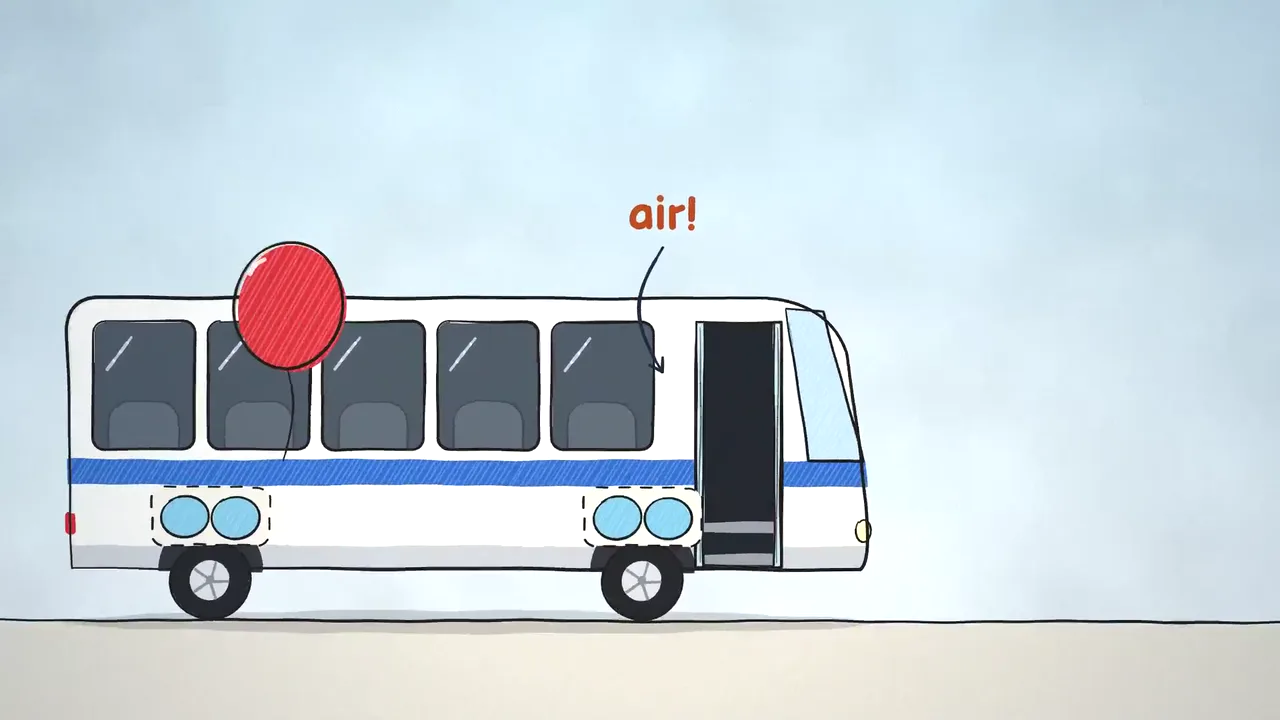
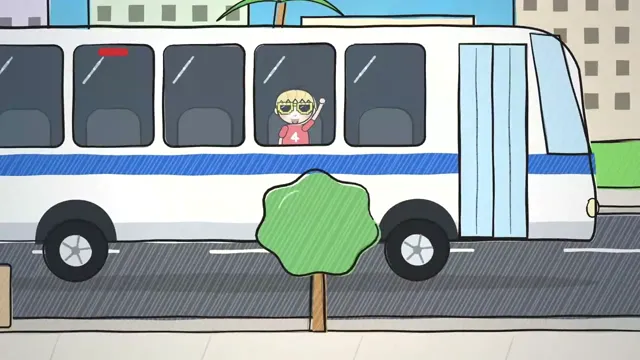 Leo Rides the Bus! The Wheels on the BusLeo · 3:01
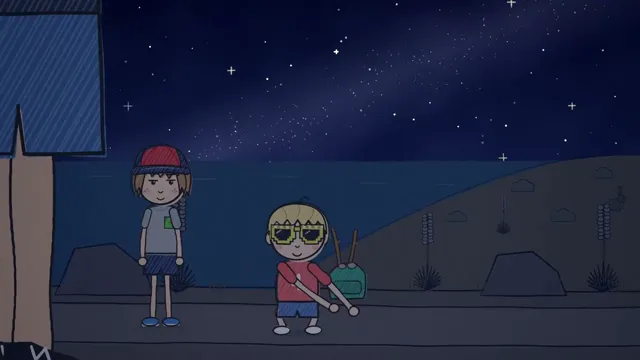 The Big Hike: Leo Climbs to the Sunset with One Big FlashlightLeo · 5:01
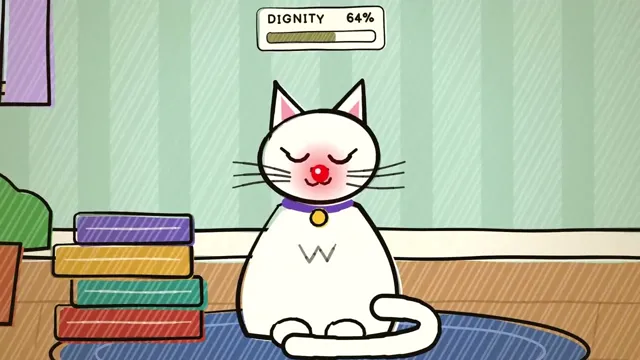 Duchess Episode 2: The Dot ReturnsDuchess · 2:01
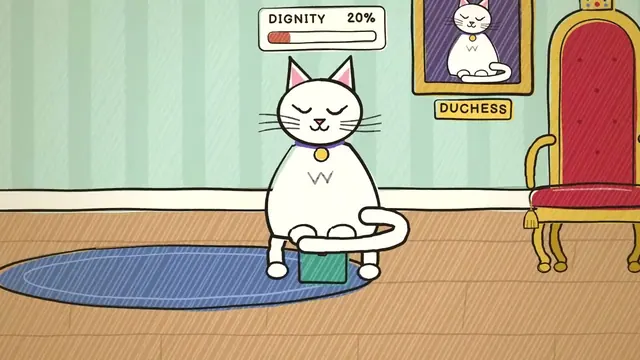 Duchess and The Box: If It Fits, She SitsDuchess · 2:01
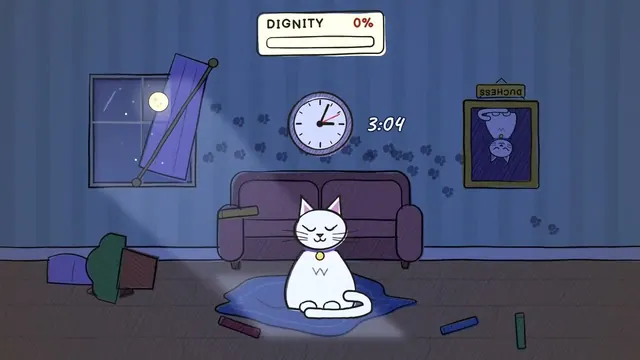 Duchess Gets the 3 A.M. ZoomiesDuchess · 2:01
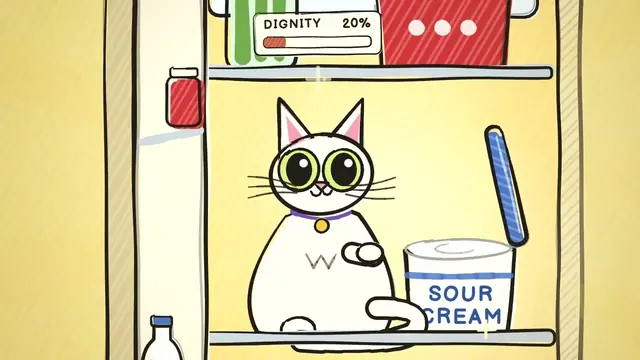 Duchess and the Sour CreamDuchess · 2:01
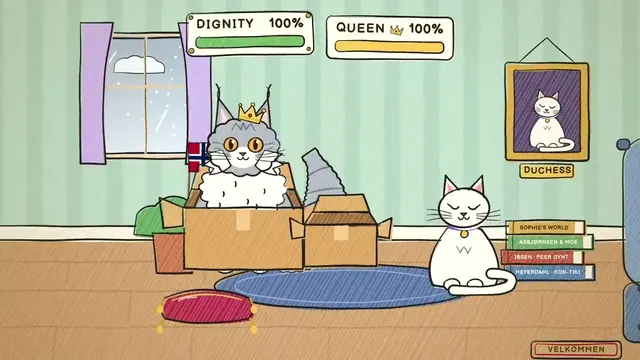 Duchess Meets the Queen of Norway: The State VisitDuchess · 2:01
What made it work
- Start small. A 10-second film is enough to find out whether a character works. If it does, the brief grows from it.
- Keep the running jokes exact. Recorded lines and kept drawings are why episode 10 feels like episode 2.
- Write the story, not the shots. Someone who has never animated anything writes what happens and what the narrator says; the picture is KitCut's job.