
Looks
Every film has one of two looks, chosen before it is made: hand-drawn or painted. The person picks the look; everything inside it is Claude's choice, and the idea can steer it in words: the style, the colours, the voice and the music.
Before anything else, Claude decides from the idea who the film is for and its mood, and holds the whole film to one bar: professionally made for that audience. It does not assume children unless the idea says so, so a business documentary or a hospital explainer does not come out looking like a cartoon, while a bedtime story still looks like one. KitCut's instructions to Claude set that bar and name what exists; they prescribe no style.
Hand-drawn
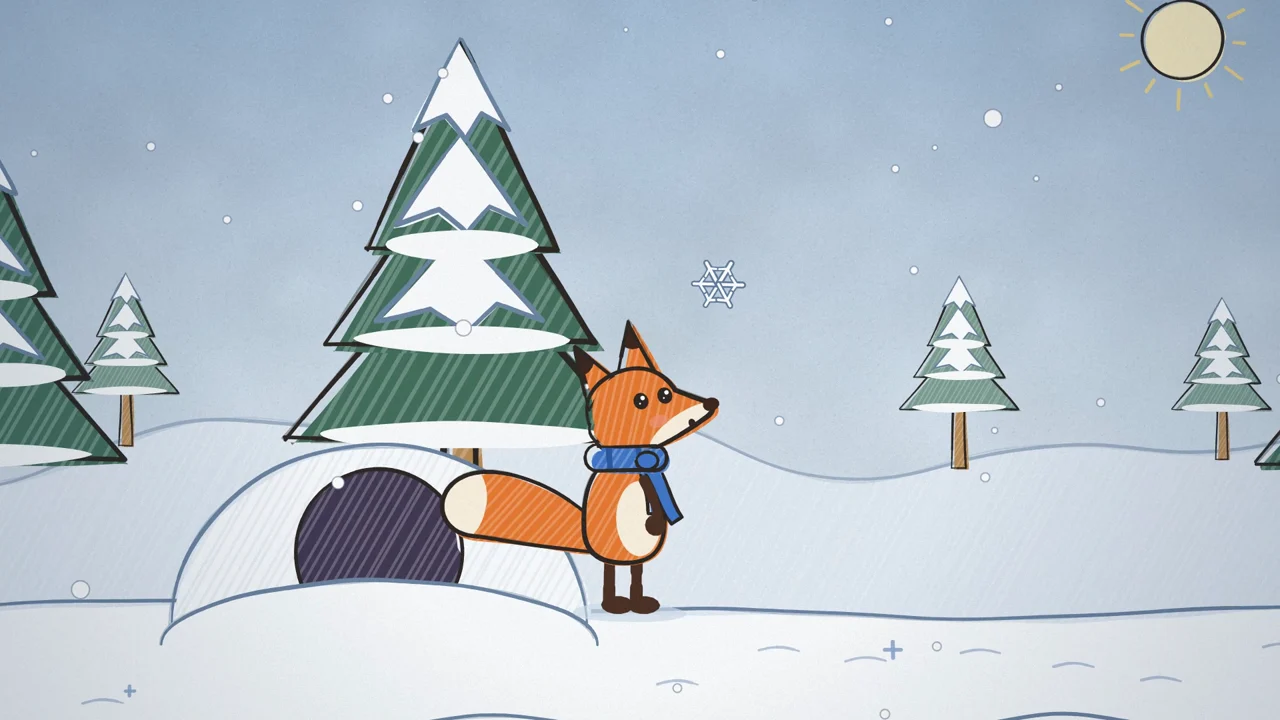
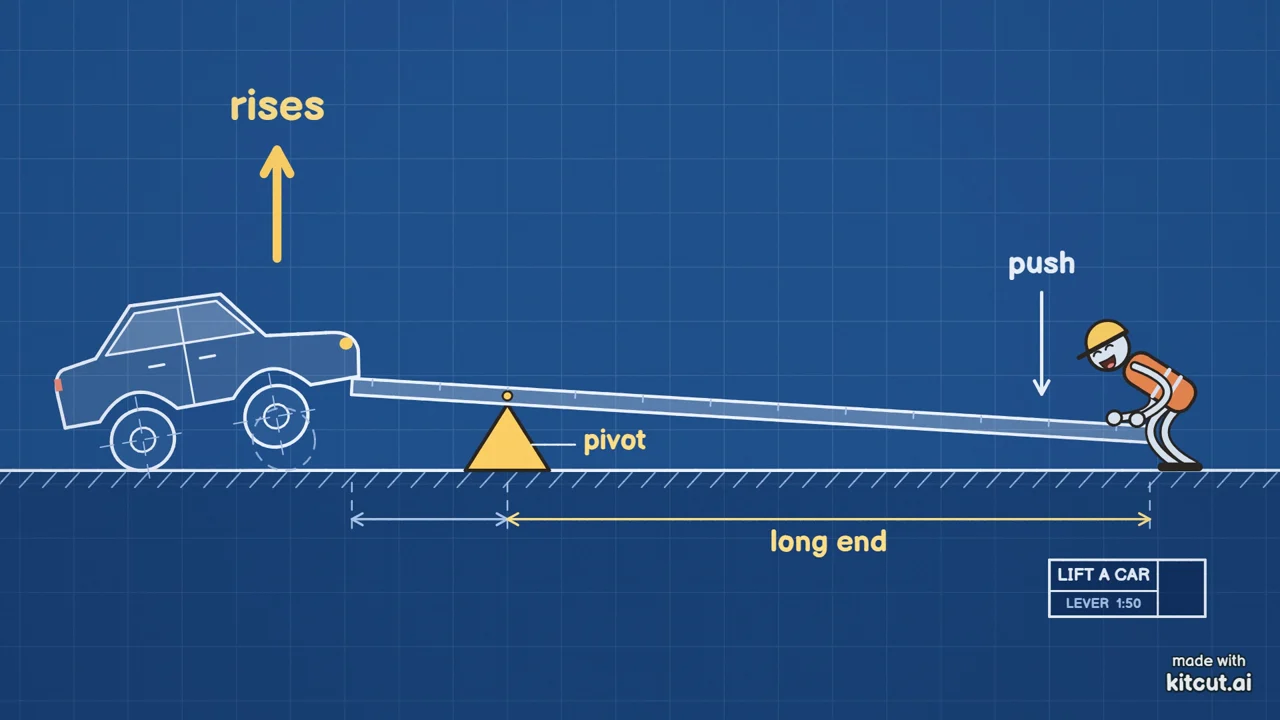
- Drawn in code: Claude draws everything with KitCut's sketch engine, a pen and a set of ready-made props, and animates it frame by frame.
- Two drawing styles:
- Crayon (the default): hand-drawn lines that "boil" slightly from frame to frame, off-register fills, paper texture and grain.
- Clean: crisp editorial line art, exact flat fills, a flat ground.
- Ten grounds: paper, white, kraft, sky, mint, butter, blush, night, chalkboard and blueprint. A film can change ground as it goes.
- Pictures the person attached can be shown in the film, placed like a pinned print.
Painted
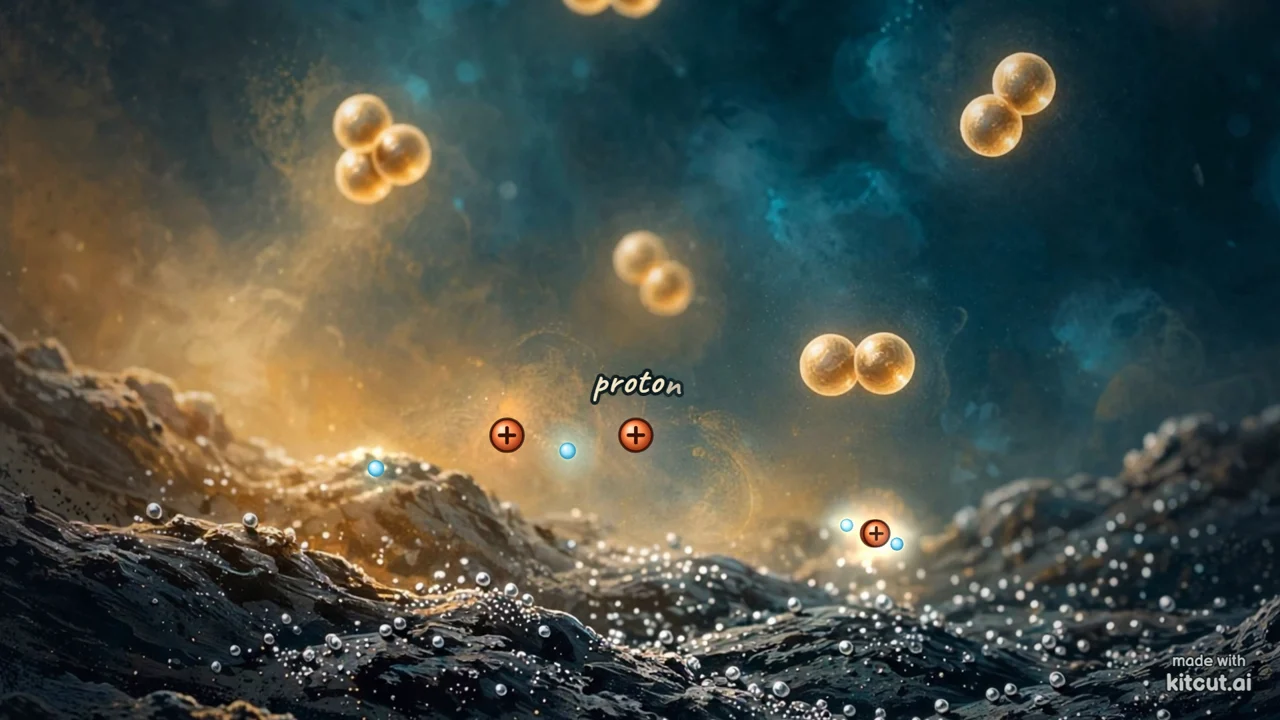
- The scenes are painted by an image model (Muse, by Meta) from Claude's descriptions, at 1920x1280.
- Claude animates the paintings: camera moves across them, cross-fades on spoken words, and words and hand-drawn marks on top.
- Painting styles Claude chooses from include collage, flat vector poster, 1950s travel poster, claymation, ukiyo-e, ink wash, charcoal, gouache, risograph, pixel art, soft 3D, cinematic photoreal and watercolour.
- How many paintings a film gets depends on its length, repaints included:
| Film length | Claude's working time | Paintings (painted look) | Narration sentences |
|---|---|---|---|
| 10 seconds | 20 minutes | 8 | 6 |
| 30 seconds | 23 minutes | 8 | 12 |
| 1 minute | 31 minutes | 8 | 12 |
| 2 minutes | 46 minutes | 12 | 24 |
| 4 minutes | 76 minutes | 12 | 48 |
| 8 minutes | 136 minutes | 24 | 96 |
- No lettering in paintings. Words on screen are drawn over them instead.
- The painter works from words alone. It takes no reference picture. An attached picture can still be shown in the film, and Claude can describe it to the painter.
- Consistency: the same character may look a little different from one painting to the next.
Text on screen
- Optional in both looks, and in the narration's language.
- Three fonts: Caveat (handwriting, the default), Balsamiq Sans and Patrick Hand.
- Caveat and Balsamiq Sans cover Latin and Cyrillic alphabets; Patrick Hand covers Latin only.
- On-screen words in other scripts (such as Chinese, Arabic or Hindi) are not supported. Narration in those languages still works.
Steering the look
Say it in the idea, in plain words:
- "clean line art on a blueprint ground"
- "painted like a 1950s travel poster, warm evening light"
- "chalkboard, with a playful tone"
- "keep the same fox, look and music as last time" (see Characters and projects)
Claude follows what is asked when it can, and chooses the rest.